Signs of Low Testosterone: Symptoms, Causes & Solutions
Testosterone levels naturally decline with age—about 1% per year after age 30. But how do you know if you're experiencing normal aging or clinically low testosterone? Here are the warning signs every man should recognize.
10 Common Signs of Low Testosterone
🚨 Sexual Symptoms
1. Low Libido
Testosterone is the primary driver of male sex drive. A gradual decline is normal with aging, but a sudden or significant drop in desire often indicates low testosterone. You may notice:
- Reduced interest in sex
- Fewer spontaneous thoughts about sex
- Difficulty becoming aroused
2. Erectile Dysfunction
While ED has many causes, low testosterone can contribute by reducing libido and affecting the mechanisms that enable erections. Low T may also make other ED treatments less effective.
3. Reduced Semen Volume
Testosterone is essential for sperm production and semen volume. Noticeable reduction in ejaculate volume may indicate low testosterone levels.
💪 Physical Symptoms
4. Muscle Loss & Difficulty Building Muscle
Despite regular exercise, you may notice:
- Decreased muscle mass
- Difficulty gaining muscle despite training
- Increased body fat, especially around the abdomen
5. Increased Body Fat
Low testosterone is associated with increased body fat percentage, particularly visceral fat (belly fat). This creates a vicious cycle, as fat cells convert testosterone to estrogen.
6. Gynecomastia (Breast Tissue Growth)
When testosterone is low relative to estrogen, men may develop breast tissue. This hormonal imbalance can cause tenderness or visible growth.
7. Decreased Bone Density
Testosterone is essential for bone health. Low levels can lead to decreased bone density over time, increasing fracture risk (similar to menopause in women).
🧠 Emotional & Cognitive Symptoms
8. Fatigue & Low Energy
Not just "feeling tired"—this is persistent fatigue that doesn't improve with rest. You may notice:
- Difficulty getting out of bed
- Need for naps during the day
- General lack of motivation
9. Mood Changes
Testosterone influences mood and mental well-being. Low levels can cause:
- Depression or sadness
- Irritability and anger
- Difficulty concentrating ("brain fog")
- Reduced self-confidence
10. Sleep Disturbances
Low testosterone is linked to sleep problems including:
- Insomnia or difficulty staying asleep
- Reduced sleep quality
- Sleep apnea (low T worsens, and sleep apnea can lower T further)
What Causes Low Testosterone?
Primary Causes (Testicular Issues)
- Klinefelter syndrome: Genetic condition
- Undescended testicles: Childhood issue
- Mumps orchitis: Infection affecting testicles
- Testicular injury or trauma: Physical damage
- Cancer treatment: Chemotherapy or radiation
Secondary Causes (Brain/Hormone Signaling)
- Kallmann syndrome: Genetic condition affecting puberty
- Pituitary disorders: Tumors or treatments
- Medications: Opioids, steroids, glucocorticoids
Lifestyle Factors
- Obesity: Fat converts testosterone to estrogen
- Chronic stress: Cortisol suppresses testosterone
- Poor sleep: Reduces nighttime testosterone production
- Excessive alcohol: Damages testicular cells
- Opioid use: Suppresses testosterone dramatically
When to See a Doctor
You should see a doctor if you experience:
- Sudden onset: Rapid development of multiple symptoms
- Severity: Symptoms significantly impacting quality of life
- Age: Symptoms before age 40 (early decline is concerning)
- Duration: Symptoms persisting despite lifestyle improvements
Getting Tested
Testosterone testing involves:
- Total testosterone blood test: Best done between 7-10 AM
- Free testosterone: The active, bioavailable portion
- LH and FSH: Pituitary hormones that signal testosterone production
- Prolactin: Can suppress testosterone if elevated
- SHBG: Sex hormone binding globulin (affects free T)
Reference ranges (morning test):
- Total testosterone: 300-1,000 ng/dL
- Below 300 ng/dL: Generally considered low
- Below 250 ng/dL: Definitely low, treatment often recommended
Treatment Options
Lifestyle Changes (First Line)
For mild to moderately low testosterone, start with:
- Weight loss: Can significantly increase testosterone
- Strength training: Compound movements boost T
- Sleep optimization: 7-9 hours nightly
- Stress management: Lower cortisol to help T
- Limit alcohol: Especially binge drinking
Natural Supplements
For borderline low testosterone or to support lifestyle changes:
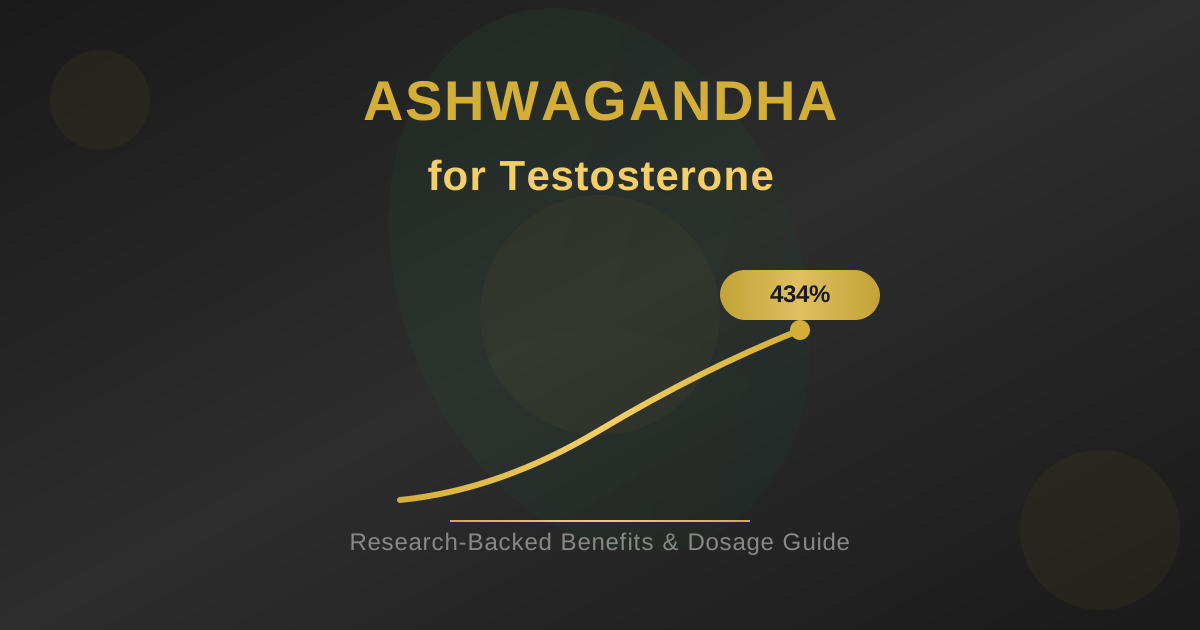
- Ashwagandha: Proven to increase T by 434% in stressed men
- Zinc: Essential for testosterone synthesis
- Vitamin D: Strong correlation with T levels
- Fenugreek: Supports libido and free testosterone
Testosil combines clinically-effective doses of these research-backed ingredients.
Testosterone Replacement Therapy (TRT)
For clinically low testosterone (< 300 ng/dL with symptoms), TRT may be appropriate:
Options:
- Injections: Testosterone cypionate or enanthate
- Gels: Daily application (AndroGel, Testim)
- Patches: Transdermal delivery
- Pellets: Implanted under skin every 3-6 months
Important: TRT requires medical supervision and regular monitoring. It can suppress natural testosterone production and affect fertility.
Conclusion
Recognizing the signs of low testosterone is the first step. If you're experiencing multiple symptoms persistently, get tested. Even if your levels are "normal" but on the low end, lifestyle changes and natural supplements may help optimize your testosterone and improve quality of life.
For men with clinically low testosterone, TRT can be life-changing. For those with mild declines, natural approaches like Testosil may provide significant benefits without the need for prescription therapy.
Affiliate Disclosure: We may earn a commission when you purchase through our links. This doesn't affect our editorial integrity or recommendations.
Medical Disclaimer: This content is for informational purposes only. Always consult a healthcare provider before starting any supplement regimen.